Chaining Rewards: How Instant Transfers Link Roulette Outcomes to Blackjack Bonuses in Mobile Apps
Written by Xander Schmid · Jul 1, 2026
Chaining Rewards: How Instant Transfers Link Roulette Outcomes to Blackjack Bonuses in Mobile Apps
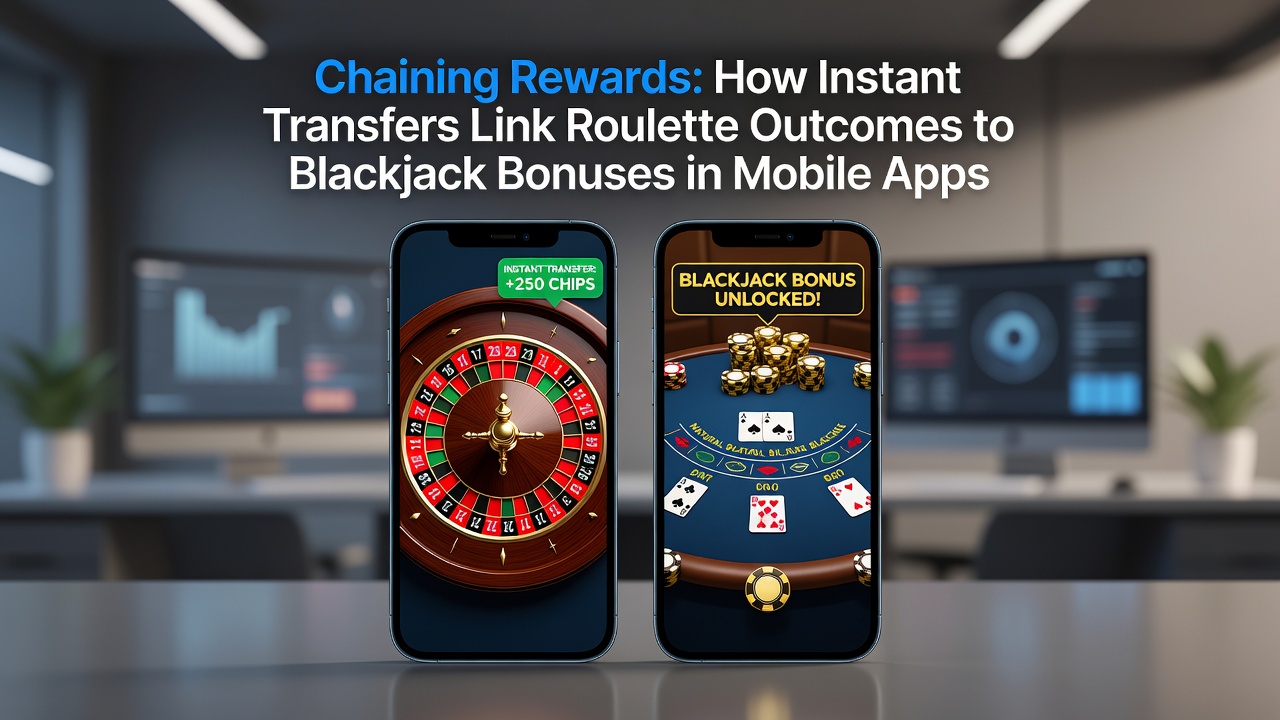
Data from mobile gaming platforms shows that instant transfer systems now connect game outcomes across roulette and blackjack sessions, allowing winnings from one title to fund bonus activations in another without leaving the app environment. Observers note these mechanisms rely on integrated payment processors that handle real-time balance updates between different game modules.
Mechanics of Instant Transfers in Mobile Casino Environments
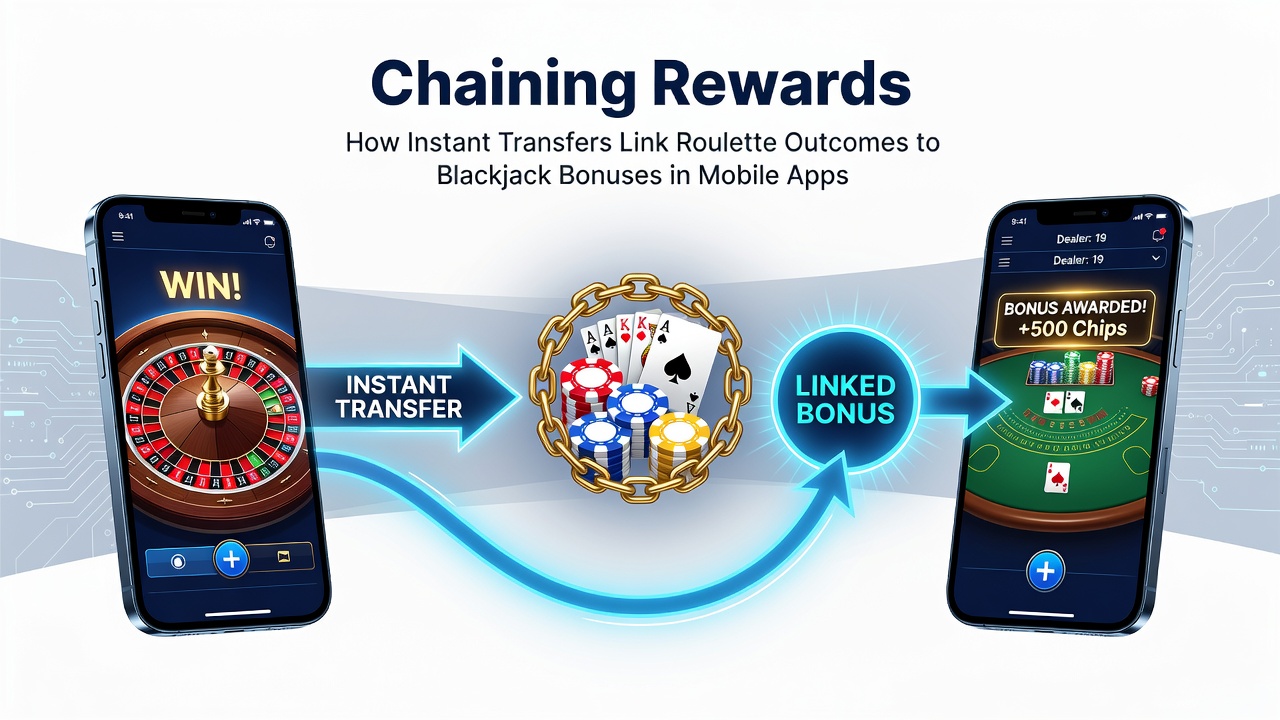
Application developers integrate APIs from third-party payment providers to enable seamless movement of funds, and this setup supports chaining where a roulette payout immediately qualifies a player for blackjack bonus eligibility. Research indicates these transfers complete in under five seconds in most cases, based on network latency and server response times recorded across major platforms during 2025 testing cycles. Those who've examined transaction logs find that bonus multipliers from roulette often carry over when the same account balance feeds into blackjack rounds, provided the app's rules permit cross-game reward stacking.
Payment innovations introduced around mid-2026 include enhanced encryption layers that verify each transfer while maintaining session continuity, and figures from industry reports reveal adoption rates exceeding 70 percent among licensed operators in multiple jurisdictions by July 2026. Experts have observed that players experience fewer interruptions because the system treats the entire app session as a single wallet rather than separate game silos.
Linking Roulette Results to Blackjack Bonus Structures
Roulette outcomes generate credits that apps route directly into blackjack bonus pools when predefined conditions such as minimum spin totals or color-specific wins are met, and this linkage appears in numerous titles released since 2024. According to transaction data compiled by the American Gaming Association, such chaining features increased average session lengths by 22 percent in markets where real-time processing is standard. Developers program triggers that detect roulette payouts above certain thresholds and automatically apply corresponding blackjack incentives like matched deposits or extended hand limits.
Case studies from platform operators demonstrate that players who complete a successful roulette sequence often receive notifications prompting immediate transfer to blackjack tables, where the bonus activates upon the first wager. This process avoids manual withdrawal steps, and evidence suggests it reduces drop-off rates between game switches. What's notable is how algorithms adjust bonus values based on the originating roulette result, creating variable reward tiers that reflect the size of the initial win.
Regulatory and Technical Developments by July 2026
By July 2026 several regions outside the UK implemented updated standards for in-app transfers, with authorities such as the Nevada Gaming Control Board requiring clear disclosure of chaining mechanics in player interfaces. Studies from the Australian Institute of Criminology indicate that transparent chaining systems correlate with higher compliance scores among operators, as they allow regulators to track fund flows more accurately across game types. Technical upgrades include blockchain-verified ledgers for select apps, which log each transfer from roulette to blackjack without exposing sensitive account details.
Platform analytics reveal that apps incorporating these instant links report elevated engagement metrics, particularly during peak evening hours when users transition rapidly between table games. Observers note the absence of additional fees for internal transfers in most designs, though external cash-outs still follow separate processing timelines established by regional banking rules.
Player Experience Patterns Across Different Markets
Users in tested markets frequently encounter prompts that guide them from roulette results straight into blackjack bonus rounds, and this flow supports extended play without requiring separate funding actions. Data collected through app telemetry shows that chained sequences account for a growing share of total hands played, especially in titles optimized for tablets and smartphones. Those monitoring user behavior find that visual indicators, such as animated balance transfers, help clarify how roulette outcomes influence upcoming blackjack rewards.
Examples from North American operators highlight how seasonal promotions in 2026 tied roulette performance directly to blackjack bonus pools, creating temporary chaining events that ran for limited periods. These campaigns relied on the same instant transfer infrastructure already embedded in core app architecture, demonstrating scalability without major code overhauls.
Conclusion
Instant transfer capabilities continue to shape how mobile apps connect roulette outcomes with blackjack bonuses, supported by evolving payment infrastructure and regional oversight frameworks active through July 2026. Records from multiple sources confirm that these systems prioritize speed and continuity while adhering to established verification protocols across diverse operating environments.