Charting the Journey of Winnings from Card Tables to Reel-Based Extensions in App-Based Environments
Written by Blake Bennett · Jun 29, 2026
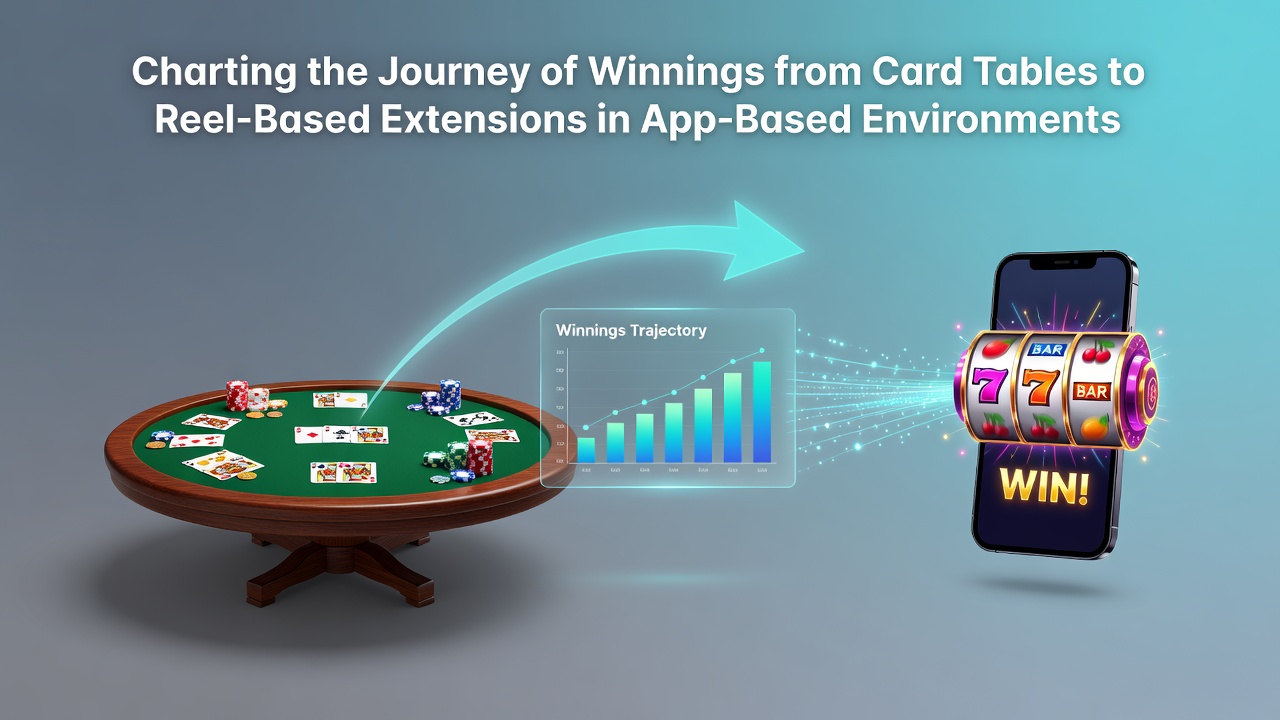
Charting the Journey of Winnings from Card Tables to Reel-Based Extensions in App-Based Environments
Traditional card tables in physical casinos have long served as central hubs where players accumulate winnings through games such as blackjack and poker, and those same winnings now flow into digital extensions that appear in app-based environments featuring reel-based slots. Observers note that this transition relies on payment systems and bonus structures that convert table game results into playable credits on mobile platforms. Data from industry reports shows steady growth in mobile gambling participation across multiple regions since the early 2010s, with operators building features that let users carry balances forward without interruption.
Historical Pathways from Physical Tables to Digital Reels
Land-based casinos developed loyalty programs in the 1990s that tracked table game activity through player cards, and those systems later influenced the design of online account management tools. Researchers at the University of Nevada documented how early digital platforms replicated table game payout mechanics while introducing slot reels as extensions that accept transferred funds. By the mid-2000s, several operators in Nevada and New Jersey had begun testing hybrid models where winnings from physical blackjack tables fed directly into online slot wallets through linked accounts. Those early experiments established patterns still visible today, where a single player profile connects activity across venues and devices.
Mechanics of Winnings Transfer in Modern Apps
App developers integrate secure payment gateways that process transfers from table game sessions into reel-based environments within seconds, and these gateways often apply predefined conversion rates for bonus credits. Players complete a table session, receive confirmation of their balance, then access the same funds in a mobile slot interface that offers free spin extensions or multiplier features. Figures from the American Gaming Association reveal that integrated wallet systems now handle billions of dollars in cross-game transfers annually in regulated U.S. markets. Operators maintain audit trails that record every movement from card table to reel outcome, satisfying regulatory requirements while preserving player continuity.
Bonus layering appears frequently in these environments, where a table game win triggers eligibility for additional reel spins or live dealer extensions on the same app. The process occurs through automated triggers that detect balance thresholds and release corresponding rewards. Studies conducted by independent research firms indicate that such chaining mechanisms increase session duration across both table and slot formats without requiring separate deposits.
Regulatory and Market Developments Around June 2026
Multiple jurisdictions updated their frameworks for cross-platform play in the months leading into June 2026, and these changes emphasized secure fund movement between physical and app-based offerings. Canadian provincial regulators released updated guidelines that addressed mobile extensions of table winnings, while Australian state authorities examined similar integrations for consistency with existing harm minimization rules. Operators responded by refining their verification processes to ensure winnings retain their traceable status when moving from card tables into reel environments. Market data compiled during this period showed continued expansion of app usage in regions with mature licensing systems.
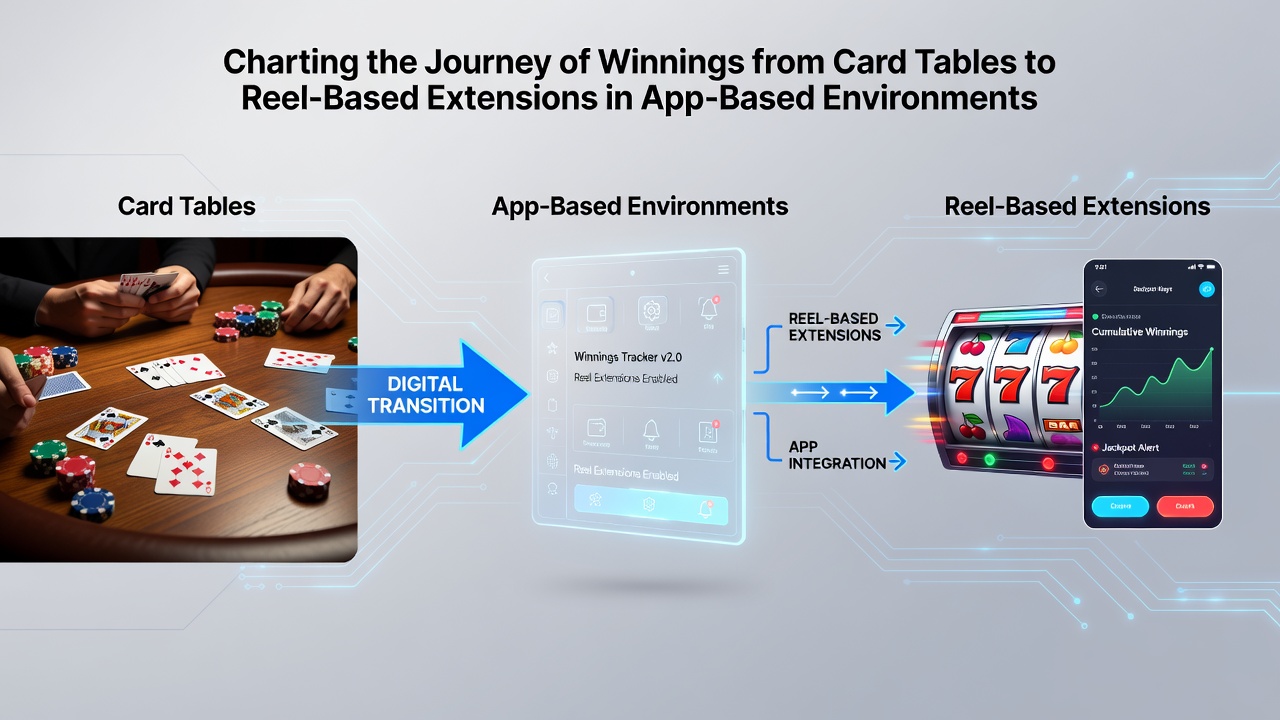
Payment innovations introduced around the same time allowed for near-instant reconciliation between table game terminals and mobile accounts, reducing friction that previously existed during fund transfers. Electronic verification systems now confirm player identity across both environments, enabling seamless extension of play from physical reels to digital ones. Industry organizations such as the American Gaming Association have tracked these shifts and reported measurable increases in combined table-to-slot activity within licensed operations.
Player Behavior Patterns and Extension Features
Analytics platforms record that many users begin sessions at physical card tables before shifting to mobile reel play once they reach certain win thresholds, and operators design interface prompts that facilitate this movement. The extensions often include progressive multipliers or accumulated free spins that build directly on table game results. Research published through academic channels highlights how these features maintain engagement levels across formats while complying with responsible gaming parameters set by various oversight bodies. Observers note that the underlying technology relies on unified player databases that update balances in real time regardless of the originating game type.
Examples from North American markets illustrate the pattern clearly: a player finishes a poker session at a casino table, transfers the winnings through an approved app, and immediately accesses reel-based extensions that incorporate the prior balance into new bonus rounds. Similar flows appear in European and Asian licensed markets where regulatory frameworks permit integrated accounts. Data collected by regional gaming associations consistently shows that such continuity features correlate with higher retention across both physical and app environments.
Conclusion
The journey from card table winnings to reel-based extensions in app environments reflects ongoing integration of payment systems, player tracking, and bonus mechanics that operators have refined over more than two decades. Regulatory updates through June 2026 and beyond continue to shape how these transfers occur while maintaining security and traceability standards. Market statistics from multiple jurisdictions indicate sustained adoption of these hybrid models as technology and licensing frameworks evolve in parallel.