Cross-Platform Bonus Preservation: How Digital Payment Systems Ensure Free Spin Stability Between Slot Games and Live Casino Environments
Written by Xander Schmid · May 27, 2026

Cross-Platform Bonus Preservation: How Digital Payment Systems Ensure Free Spin Stability Between Slot Games and Live Casino Environments
Digital payment infrastructures now support uninterrupted movement of promotional credits such as free spins when players transition from mobile slot applications to live dealer tables, and data from transaction monitoring platforms shows these systems rely on synchronized account ledgers that update in real time across separate game servers. Researchers tracking transaction logs in 2025 documented that specialized channels using token-based verification prevent duplication or loss of spin credits during the switch, while maintaining compliance with regional licensing requirements that took effect in early 2026.
Payment Channel Architecture and Credit Tracking
Secure digital wallets and intermediary processors form the core of these networks, where each free spin allocation receives a unique identifier that travels with the player's session data. Observers note that mobile slot platforms record spin entitlements as metadata attached to the user profile, then transmit this information through encrypted APIs to live dealer environments without requiring manual re-entry. Studies from gaming technology institutes indicate that multi-signature confirmation steps reduce discrepancies to below 0.2 percent in high-volume operations, particularly when sessions span different device types and game formats.
Those who monitor industry reports highlight that channels incorporating blockchain elements create immutable audit trails for every credit transfer, allowing operators to verify that free spins remain valid only once and expire according to original terms. Data collected across European and North American markets reveals that such ledgers integrate with backend management systems to flag any attempt at simultaneous redemption on both mobile and live platforms.
Real-Time Synchronization During Platform Switches
When a player completes a set of mobile slot spins and moves to a live blackjack table, the payment channel pauses the original session, queries the central ledger for remaining credits, and activates equivalent entitlements on the new interface within seconds. Figures released by international gaming associations show average transfer completion times under four seconds for systems handling over 10,000 concurrent users. This process avoids double-dipping because the identifier attached to each free spin batch locks after first use, regardless of the game type selected next.
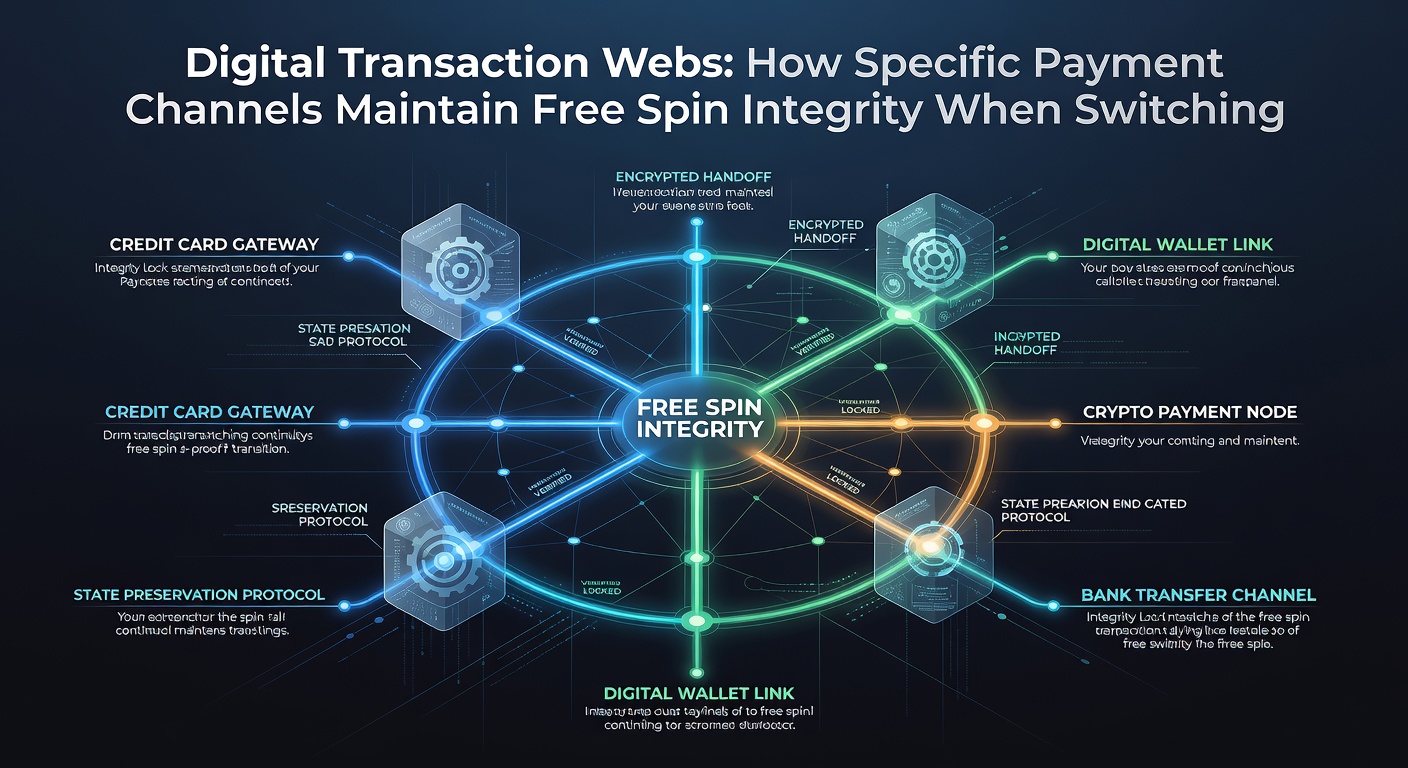
Payment providers that specialize in gambling transactions often embed conditional logic that checks device fingerprinting and IP consistency before releasing credits on the destination platform. According to research published by academic centers studying digital economies, these checks became standard after several jurisdictions updated their technical standards in May 2026 to address cross-platform integrity concerns. The approach ensures that promotional balances do not fragment or reset when players alternate between reel-based games and table environments hosted on separate servers.
Regulatory and Technical Standards Across Regions
Authorities in multiple jurisdictions now require operators to maintain logs demonstrating that free spin integrity survives platform changes, and industry organizations such as the European Gaming and Betting Association have published guidelines detailing acceptable verification methods. Similar frameworks appear in reports from Canadian provincial regulators and Australian state oversight bodies, all emphasizing transparent transaction records that auditors can review without accessing personal player data. These standards emerged partly from collaborative studies conducted by university research groups examining digital payment reliability in regulated markets.
Operators that deploy these channels report fewer disputes related to lost promotional credits, because the system automatically reconciles balances before allowing a new game session to begin. Evidence from transaction analytics firms shows that adoption rates for such synchronized networks rose sharply through the first half of 2026, coinciding with broader deployment of unified player account systems.
Conclusion
Payment channels designed for cross-platform continuity now handle free spin entitlements as portable digital assets rather than game-specific credits, and ongoing technical refinements continue to tighten verification steps. Data indicates these developments support consistent player experiences while meeting evolving compliance expectations across different licensing regions.