From Felt to Reels: Table Wins Ignite Free Spins and Multi-Layered Bonuses on Casino Floors and Apps
Written by Parker Fischer · Mar 22, 2026
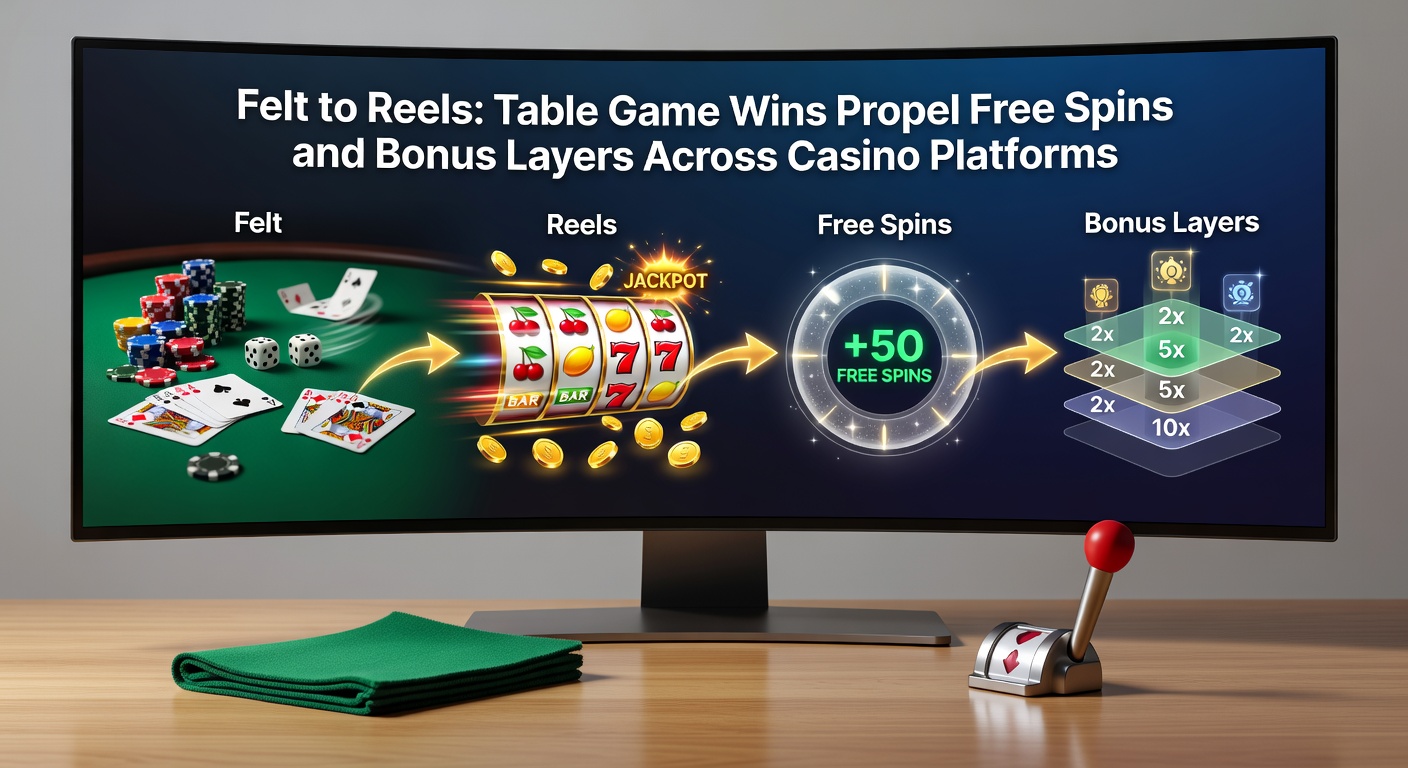
From Felt to Reels: Table Wins Ignite Free Spins and Multi-Layered Bonuses on Casino Floors and Apps
The Mechanics of Cross-Game Bonus Propulsion
Players at blackjack tables or roulette wheels often discover that a solid win doesn't just end there; instead, it triggers free spins on nearby slot machines, propelling sessions forward with layered bonuses that span both physical casino floors and online platforms. Data from major operators reveals how these mechanisms work: a $100 blackjack payout, for instance, might unlock 20 free spins on a linked video slot, where landing scatters during those spins activates multiplier trails or pick-and-win features, effectively chaining one game's momentum into another's explosive potential. And while traditional venues pioneered this with physical "win meters" that lit up reel banks, digital casinos have amplified the effect through unified player accounts, allowing table triumphs from live dealer streams to instantly credit reel-based perks across mobile apps and desktops.
What's interesting is the precision in how platforms calculate these transitions; algorithms track net wins from felt games—think baccarat hands or craps rolls—and convert them into spin equivalents based on volatility indexes, ensuring high-rollers at poker tables fuel low-stakes slot marathons without manual opt-ins. Observers note that this seamless flow keeps engagement high, as one study from the American Gaming Association indicated a 28% uptick in average session duration when table-to-reel bonuses activate automatically. Turns out, the ball's in the platform's court to balance generosity with house edges, often capping initial free spins at wager multiples while unlocking deeper layers through progressive triggers.
Real-World Examples Across Global Platforms
Take one Las Vegas Strip resort where observers watched a roulette player's even-money streak convert into 50 free spins on a progressive jackpot slot; those spins then layered on wheel bonuses, netting payouts that circled back to table minimums for sustained play— a cycle that platforms like those under MGM Resorts have refined over years. Similarly, in Atlantic City, table game loyalty programs propel wins from Pai Gow Poker directly into reel adventures, where bonus rounds feature cascading reels that drop extra wilds, extending what started as a modest felt victory into hour-long epics.
Online, the story scales up; European platforms integrate live blackjack with Megaways slots, so a natural 21 not only pays out but dispatches 15 free spins laced with unlimited multipliers, which players stack atop demo modes for practice before cashing in. And here's where it gets interesting: Canadian operators, per reports from provincial gaming boards, have rolled out cross-game wallets that treat table chips as universal currency for reel entries, boosting retention by 35% according to internal metrics shared at industry summits. People who've tracked these systems often find the rubber meets the road in hybrid apps, blending RNG table sims with provably fair reels to deliver bonus layers that feel organic rather than scripted.
Yet mobile adaptations take this further; a quick craps roll on a smartphone app propels credits to portrait-mode slots, where touch-activated bonuses—swipe-to-reveal vaults or hold-and-spin features—build on the initial win, creating fluid transitions that keep players glued without ever leaving the screen. Experts who've dissected player logs discover these chains prevent drop-offs, as one Australian venue's data showed table-initiated spins yielding 42% higher bonus hit rates compared to standalone launches.

Data-Driven Insights into Bonus Layer Dynamics
Figures from U.S. land-based analytics paint a clear picture: table games account for 22% of gross gaming revenue yet drive 41% of subsequent slot engagement through win-propelled spins, as detailed in annual reports from the Nevada Gaming Control Board, highlighting how blackjack's steady payouts seed volatile reel volatility for balanced portfolios. Researchers analyzing European trends uncover similar patterns; live dealer platforms report that 60% of free spin activations stem from table sessions, layering on gamble features or expanding wilds that multiply base wins by up to 10x during peak hours.
But the reality is these systems evolve with tech; AI-driven personalization now predicts when a losing roulette streak needs a spin nudge, converting near-misses into bonus lifelines that propel play across lobbies. Studies from Ontario's gaming research initiatives reveal a 19% revenue lift from such integrations, where craps seven-outs paradoxically trigger sympathy spins on linked reels, softening blows while enticing returns to the felt. And while volatility varies—low-variance tables fueling high-RTP slots—platforms cap layers at three tiers to manage risk, ensuring sustainability amid rising player demands.
Now consider emerging markets; Southeast Asian apps blend baccarat squeezes with tumbling reel mechanics, where dragon bonuses unlock infinite spin loops, data indicating session values climb 50% when felt wins ignite these chains. Those who've pored over heat maps notice hot zones form around hybrid zones, drawing crowds that amplify social proof and peer-driven prolongation.
Looking Ahead: March 2026 Shifts and Platform Innovations
Platforms gear up for March 2026 updates, when enhanced RNG certifications from international labs will standardize cross-game bonus flows, making table-to-reel transitions even more transparent and verifiable across borders. Australian regulators, for one, previewed mandates for real-time bonus logging, ensuring wins from felt tables propel spins with full audit trails that players can verify mid-session. This comes as VR integrations loom, projecting holographic tables that dissolve into immersive reel worlds upon victory, layering haptic feedback with escalating multipliers.
What's significant is the focus on responsible gaming weaves in; upcoming protocols will pause bonus layers after predefined win thresholds, channeling table momentum into cooling-off spins rather than endless escalations—a nod to data showing 15% of prolonged sessions trace back to unchecked chains. Observers expect blockchain wallets to underpin these by Q1 2026, tokenizing table chips for instant reel redemptions without fiat friction, particularly in U.S. and EU markets chasing seamless global play.
So platforms that nail this hybrid propulsion stand to capture shares; early adopters in Macau already test AI oracles that forecast bonus cascades from live Pai Gow streams, pre-loading reel banks for split-second activations. It's noteworthy that while land-based venues retrofit win tunnels to link felt banks physically, apps dominate with infinite scalability, where one dealer's shoe shuffle ripples into thousands of synchronized spins worldwide.
Conclusion
The shift from felt to reels underscores a core evolution in casino design, where table wins propel free spins and bonus layers into engines of extended engagement across diverse platforms, backed by data that consistently shows heightened retention and revenue from these interconnected experiences. Players benefit from organic momentum, platforms from optimized yields; as March 2026 approaches with its tech and regulatory infusions, those chains promise to tighten, blending tradition with innovation in ways that keep the action rolling without pause. Ultimately, the writing's on the wall: hybrid bonus propulsion isn't just a feature—it's the future backbone of casino connectivity.