Instant Verification Systems Streamline Game Transitions in Mobile Casino Platforms
Written by Lars Fischer · Jun 24, 2026
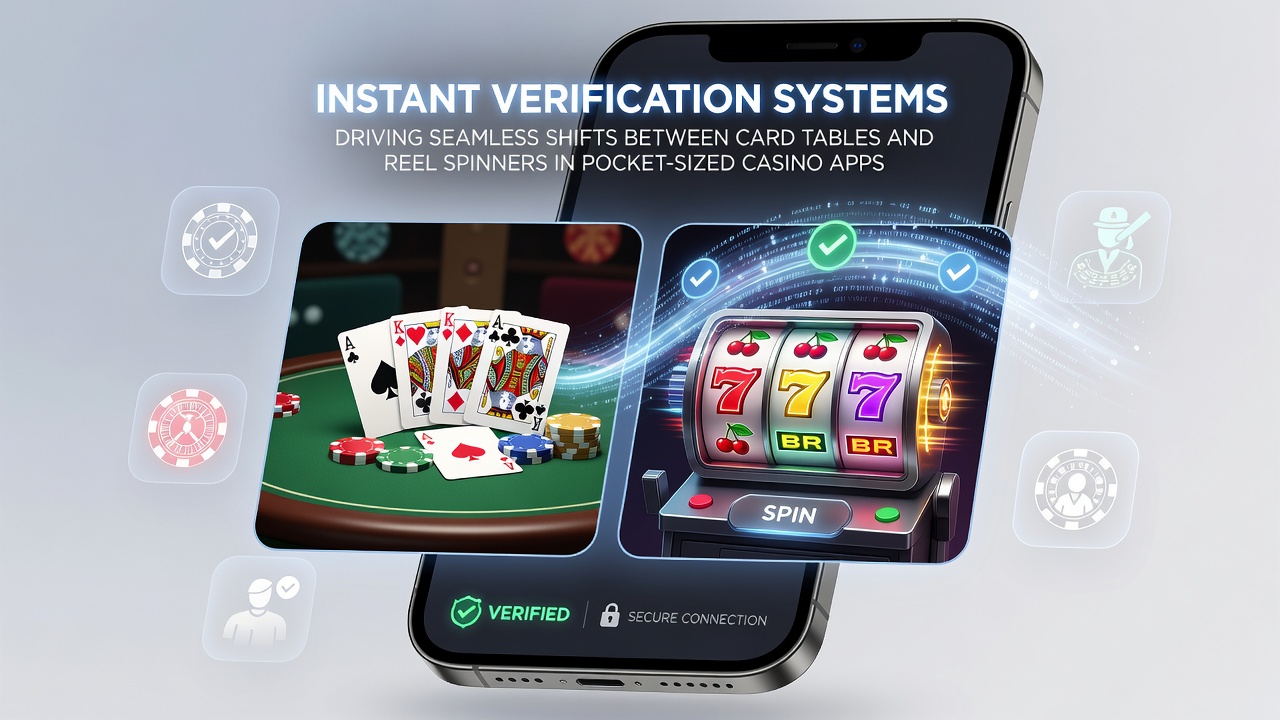
Instant Verification Systems Streamline Game Transitions in Mobile Casino Platforms
Instant verification systems now handle identity confirmation in seconds through biometric scans and document uploads, which allows users to move between live dealer card tables and automated reel spinners without repeated logins or extended waits. These tools integrate facial recognition with government ID cross-checks, and they operate across pocket-sized devices where screen real estate limits traditional processes.
Core Mechanisms Behind Rapid Identity Confirmation
Operators deploy machine learning models that analyze user-submitted photos against database records while cross-referencing device data such as IP location and hardware signatures, and this combination reduces manual review times from hours to under thirty seconds in many reported cases. Data from industry reports shows verification success rates above 95 percent when users provide clear images under standard lighting conditions. Systems also incorporate liveness detection to distinguish real faces from static images or recordings, which adds a security layer without extending the overall flow.
App developers structure these checks at initial account creation and then store encrypted tokens for subsequent sessions, so returning players encounter minimal friction when switching game types. One implementation in a major platform logs a player finishing a blackjack hand, processes a quick facial scan on the same device, and opens a slot session with active bonus balances intact. Such continuity relies on backend APIs that sync player status across game servers in real time.
Market Data and Adoption Patterns Through Mid-2026
Figures released in June 2026 by the Nevada Gaming Control Board indicate that mobile platforms using instant verification recorded a 28 percent increase in session continuity rates compared with earlier manual systems. Similar trends appear in reports from the Australian Communications and Media Authority, where licensed operators noted higher average play durations once verification steps dropped below one minute. These measurements track completed game switches rather than total deposits, which isolates the effect of reduced login barriers.
Developers have adapted interfaces to display verification status as a persistent progress bar during transitions, and users receive on-screen prompts only when risk thresholds trigger additional checks. Research published by the University of Nevada, Reno gaming laboratory found that 82 percent of surveyed mobile users completed at least one table-to-reel switch per session when verification stayed under forty-five seconds.

Technical Integration Across Game Categories
Live dealer environments stream video feeds that pause briefly during verification handoffs, while reel-based games preload assets in the background once the token activates. This architecture prevents data loss when a player cashes out table winnings and applies them directly to slot wagers. Payment rails stay linked through the same verified session, so balance updates reflect instantly across both formats.
Third-party providers supply modular SDKs that operators embed into existing apps, and these kits handle regional compliance variations by adjusting required data fields without altering the core user flow. In practice, a player in one jurisdiction may see an extra address confirmation step while another completes the process with biometrics alone, yet both experience the same visual continuity between game modes.
Security Protocols and Regulatory Alignment
Encryption standards applied to stored tokens meet current data protection requirements across multiple licensing regions, and audit trails log every verification event for compliance reviews. Operators maintain separate logs for biometric data that auto-delete after set retention periods unless flagged for investigation. Such measures align with guidelines from bodies like the Malta Gaming Authority and the New Jersey Division of Gaming Enforcement, which emphasize both speed and accountability.
Testing protocols run simulated attacks on verification endpoints monthly, and results feed into model retraining cycles that improve accuracy over successive updates. Observers note that platforms reporting lower fraud rates also maintain higher user retention across game-type switches, though causation remains under study in ongoing academic work.
Conclusion
Instant verification continues to reshape how mobile platforms manage movement between card tables and reel spinners by compressing identity steps into device-native processes. Continued refinements in biometric speed and regulatory data handling point toward further integration across additional game formats in coming updates.