Payment Pathways Linking Instant Transfers to Layered Rewards Across Mobile Roulette Tables and Slot Reels
Written by Jordan Bennett · Jun 13, 2026
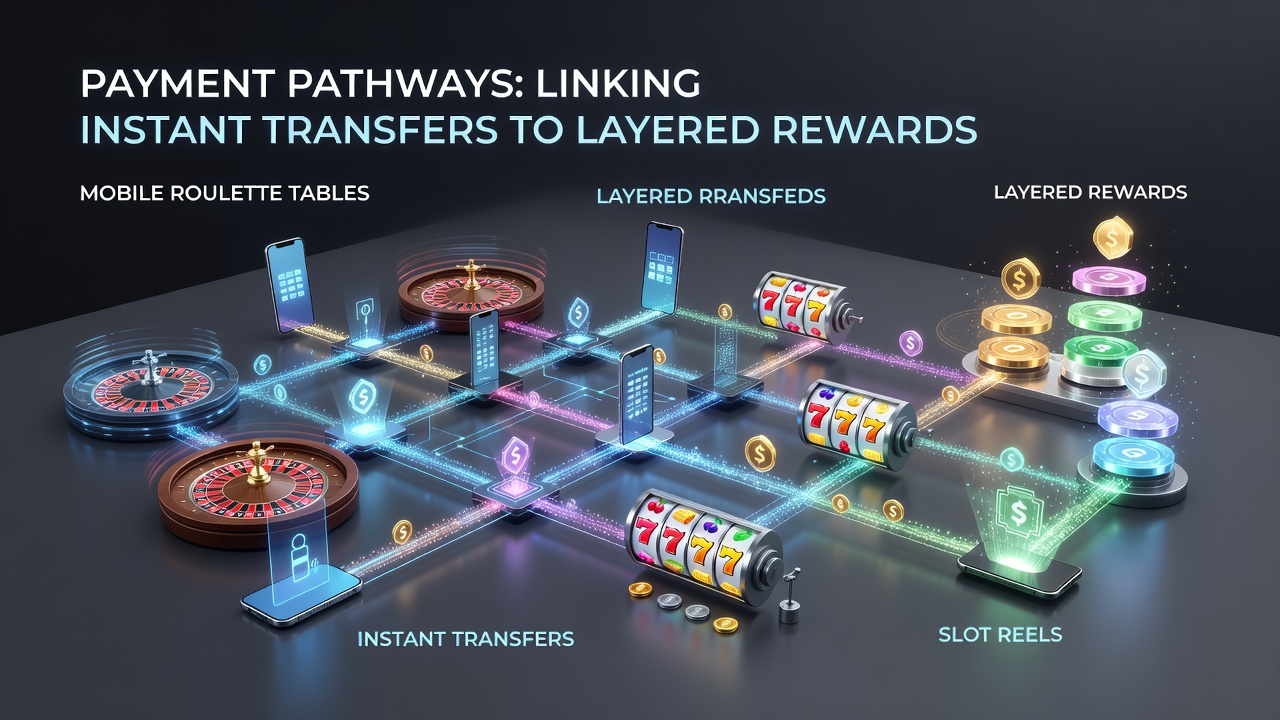
Payment Pathways Linking Instant Transfers to Layered Rewards Across Mobile Roulette Tables and Slot Reels
Payment systems in mobile casino environments have evolved to support direct links between instant transfers and multi-tiered reward structures that apply across roulette tables and slot reels, with operators integrating e-wallet solutions and bank APIs to enable immediate fund movement that triggers bonus eligibility without delay, and data from the European Gaming and Betting Association shows these pathways reduce processing times to under 30 seconds in many cases while maintaining compliance with regional financial standards.
Mechanics of Instant Transfers in Mobile Platforms
Instant transfers operate through encrypted connections that link user accounts directly to game interfaces, allowing deposits to register in real time and activate reward layers such as matched bonuses or free spin allocations that carry over from one game type to another, whereas traditional batch processing methods often created gaps that interrupted play sequences, and researchers at the University of Nevada Reno documented how these streamlined flows support continuous engagement by eliminating the wait periods that previously separated deposit confirmation from bonus application in both roulette and slots environments.
Operators deploy APIs from providers like PayPal and Skrill to handle these transfers, which in turn feed into centralized reward engines that stack benefits, for example converting a roulette win into additional slot reel credits through automated conversion protocols, and this integration relies on secure tokenization to protect transaction data throughout the process.
Layered Rewards Across Game Types
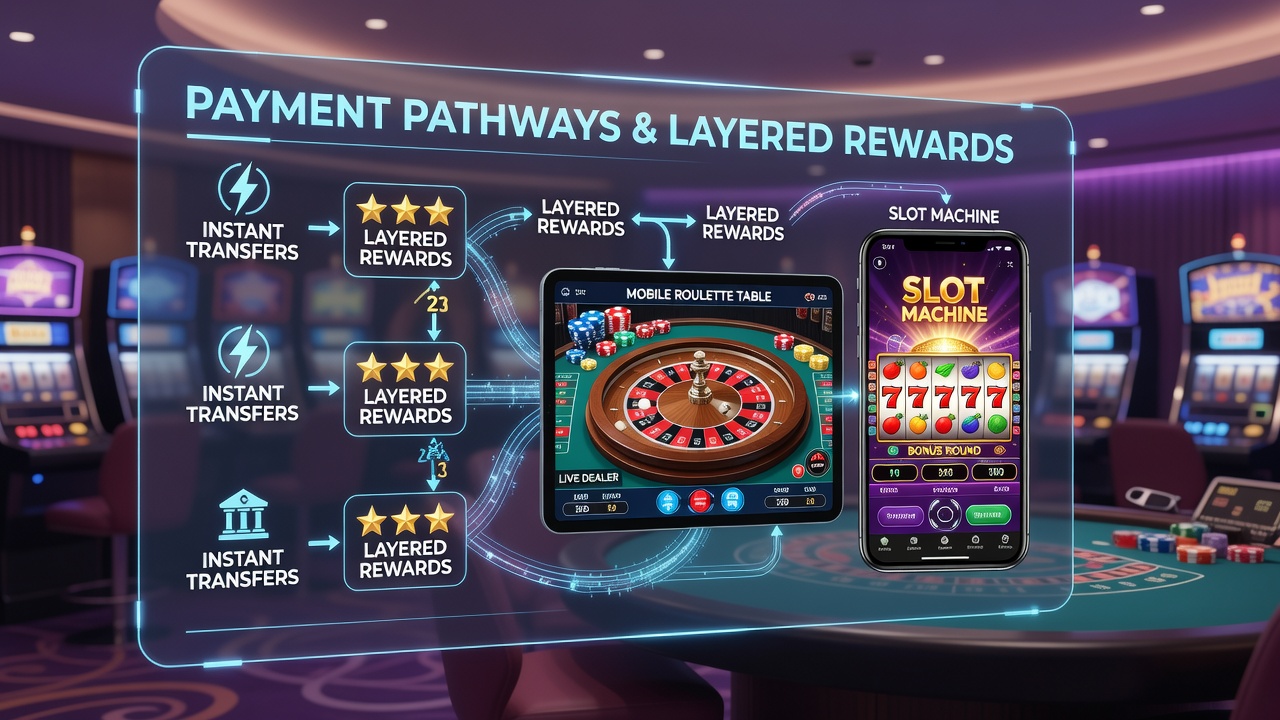
Layered rewards function by assigning progressive tiers that build upon each other, starting with base deposit matches and advancing to game-specific multipliers that apply when players move between mobile roulette tables and slot reels, while the system tracks activity across sessions to unlock higher levels without requiring separate claims, and industry analyses indicate that such structures increase average session duration by connecting payment events directly to reward escalations.
Take the case of a player depositing funds via an instant method, which immediately qualifies them for a primary bonus layer usable on roulette, followed by a secondary layer that converts remaining credits into free spins on slots, and this chaining occurs because the payment pathway feeds user data into a unified bonus ledger that updates across platforms in sequence.
Technical Integration and Security Protocols
Security protocols underpin these pathways through multi-factor authentication combined with real-time fraud detection that scans transfer patterns before rewards activate, preventing unauthorized access while allowing legitimate flows to proceed without interruption, and reports from the Australian Communications and Media Authority highlight how such measures have become standard in licensed mobile operations to balance speed with regulatory oversight.
Developers incorporate blockchain elements in select systems to create immutable records of each transfer and subsequent reward layer, which supports audit trails that verify compliance across jurisdictions, whereas conventional databases sometimes required manual reconciliation that slowed the entire process down.
Regional Variations in Implementation
Implementation differs by region because payment regulations shape how instant transfers connect to rewards, with North American platforms often emphasizing state-level banking partnerships that facilitate cross-game bonus mobility, and European operators focus on data protection standards that govern how reward layers track user activity, yet the core mechanism of linking transfers to stacked benefits remains consistent in both contexts according to comparative studies from gaming research centers.
Observers note that in markets where instant methods dominate, such as those using digital wallets, the transition from roulette table wins to slot reel bonuses happens through automated credit adjustments that maintain momentum across the mobile interface.
Future Developments in Payment and Reward Systems
Advancements expected through June 2026 include expanded use of AI-driven analytics to predict optimal reward layering based on transfer history, which could further personalize the experience across roulette and slots without altering the fundamental payment pathways, and preliminary models from academic institutions suggest these enhancements will rely on existing instant transfer infrastructure to scale effectively.
Conclusion
Payment pathways that connect instant transfers to layered rewards continue to define mobile casino functionality by enabling seamless movement between roulette tables and slot reels through integrated systems that prioritize speed and security, with evidence from multiple regulatory and research bodies confirming their role in supporting structured bonus application across game types, and these frameworks adapt to regional requirements while maintaining consistent operational principles that facilitate player progression from deposit to reward activation.