Payment Routes and Their Effects on Sustaining Mobile Casino Play Between Slots and Live Tables
Written by Jordan Bennett · Jun 1, 2026
Payment Routes and Their Effects on Sustaining Mobile Casino Play Between Slots and Live Tables
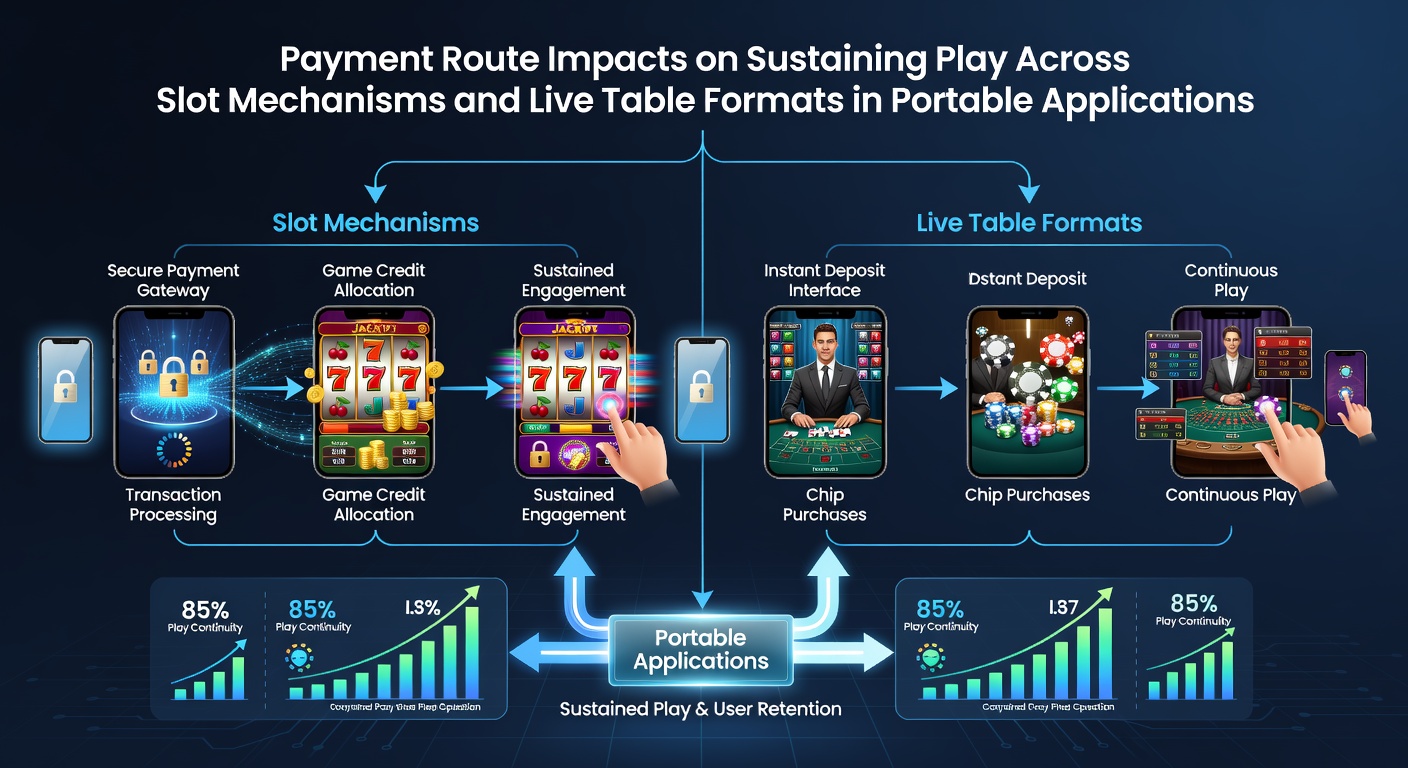
Payment routes determine how funds move between user accounts and gaming platforms, which directly affects how long players remain active across different game types in mobile applications. Data from industry reports shows that seamless transaction pathways correlate with extended session durations, particularly when users transition between slot mechanisms and live table formats without interruption.
Core Payment Mechanisms in Portable Gaming
Digital wallets, bank transfers, and card-based systems form the primary routes that operators deploy in portable applications. Research indicates that instant deposit options allow players to maintain momentum when switching from high-volatility slot reels to structured live dealer sessions, whereas slower verification processes often lead to session abandonment. Observers note that applications integrating multiple route types experience higher retention rates during peak activity periods.
Slot Mechanisms and Transaction Flow Dynamics
Slot games rely on rapid, repeated micro-transactions that reward uninterrupted access to bonus features and free spin sequences. When payment routes process deposits within seconds, users sustain longer play cycles because balance updates occur without delays that break concentration. Studies from gaming analytics firms reveal that platforms offering one-tap funding methods see average slot session lengths increase by measurable margins compared to those requiring additional authentication steps.
Live Table Format Considerations
Live table environments introduce different demands because real-time dealer interactions and multi-player pacing require stable funding throughout extended rounds. Payment routes that support instant withdrawals during table sessions enable players to adjust stakes mid-game without exiting the application. Evidence from operational data shows these capabilities help preserve engagement levels when participants move funds between blackjack tables and roulette wheels on the same device.
Applications that route payments through centralized processors rather than fragmented third-party services reduce latency during live play, which keeps users focused on strategy instead of account management. Those who've examined user behavior patterns find that live table participants value route reliability more than slot players because table formats involve larger per-hand commitments.
Cross-Format Continuity and Route Efficiency
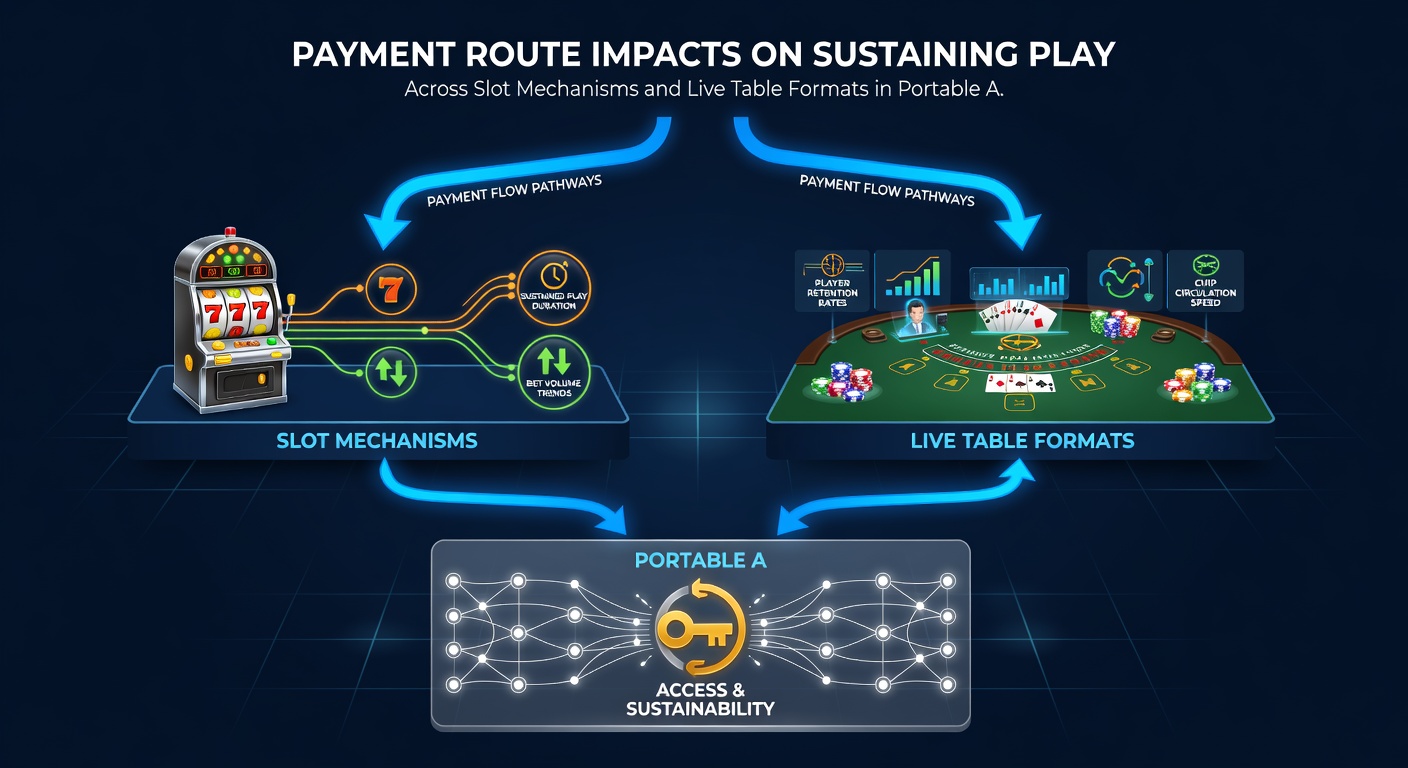
Transitioning between slot mechanisms and live tables within a single mobile session depends on payment routes that maintain balance synchronization across game servers. When deposits clear immediately regardless of game type, players continue sequences that began in one format and extend into another without resetting their activity flow. Reports compiled by research institutions highlight that route stability becomes especially relevant during promotional periods when bonus funds must transfer cleanly between game categories.
June 2026 projections from several European operators forecast increased adoption of unified payment rails designed specifically for cross-format play, aiming to minimize drop-off when users alternate between automated slots and interactive dealer environments. Data collected through platform monitoring indicates that efficient routes also support responsible spending controls by providing clearer transaction histories across both game styles.
Regional Regulatory Influences on Route Selection
Authorities in various jurisdictions establish standards that shape which payment routes operators may implement in portable applications. The Pennsylvania Gaming Control Board documentation outlines requirements for transaction transparency that affect how funds move between slot and table modules. Similar frameworks from the Australian Communications and Media Authority emphasize verification speed as a factor in maintaining continuous play without regulatory violations.
Industry associations such as the European Gaming and Betting Association compile comparative analyses showing how different route configurations influence session metrics across mobile user bases. These findings demonstrate that platforms optimizing payment pathways for both slot speed and live table stability achieve more consistent engagement patterns than those relying on single-route systems.
Technical Factors Affecting Sustained Activity
Network conditions, device compatibility, and processor integration all interact with payment route performance in portable environments. Applications that cache transaction confirmations locally allow users to continue slot spins or table rounds even during brief connectivity dips, preserving play continuity. Analysts tracking application performance note that robust route architecture reduces error rates during fund transfers, which prevents abrupt session terminations that frustrate players moving between formats.
Case examples from major operators illustrate how route diversification supports longer overall play windows. One documented instance involved an application that routed deposits through both traditional banking channels and digital wallets, resulting in fewer interruptions when users shifted from slot bonus rounds to live dealer tables during the same session.
Conclusion
Payment route design directly influences how effectively mobile applications sustain player activity across slot mechanisms and live table formats. Efficient processing, multi-route availability, and regulatory compliance combine to support uninterrupted transitions that extend session durations and maintain engagement levels. Continued monitoring of transaction data will clarify which configurations deliver the most stable outcomes as portable gaming platforms evolve.