Portable Data Standards Transform Cross-Game Reward Chains Across Digital Gaming Platforms
Written by Lars Fischer · Aug 17, 2026
Portable Data Standards Transform Cross-Game Reward Chains Across Digital Gaming Platforms
Portable formats have emerged as a key mechanism for mapping reward chains that span multiple game types in digital environments, allowing verified settlements to move seamlessly between slots, table games, and live dealer sessions through standardized data structures. These systems rely on compact file types and secure protocols that store player progress, bonus eligibility, and transaction records in ways that operators can verify without requiring constant server pings. Data from regulatory filings in multiple jurisdictions show adoption rates climbing steadily through 2025 and into 2026 as platforms seek to reduce friction in bonus transfers.
Core Mechanics of Reward Chain Mapping
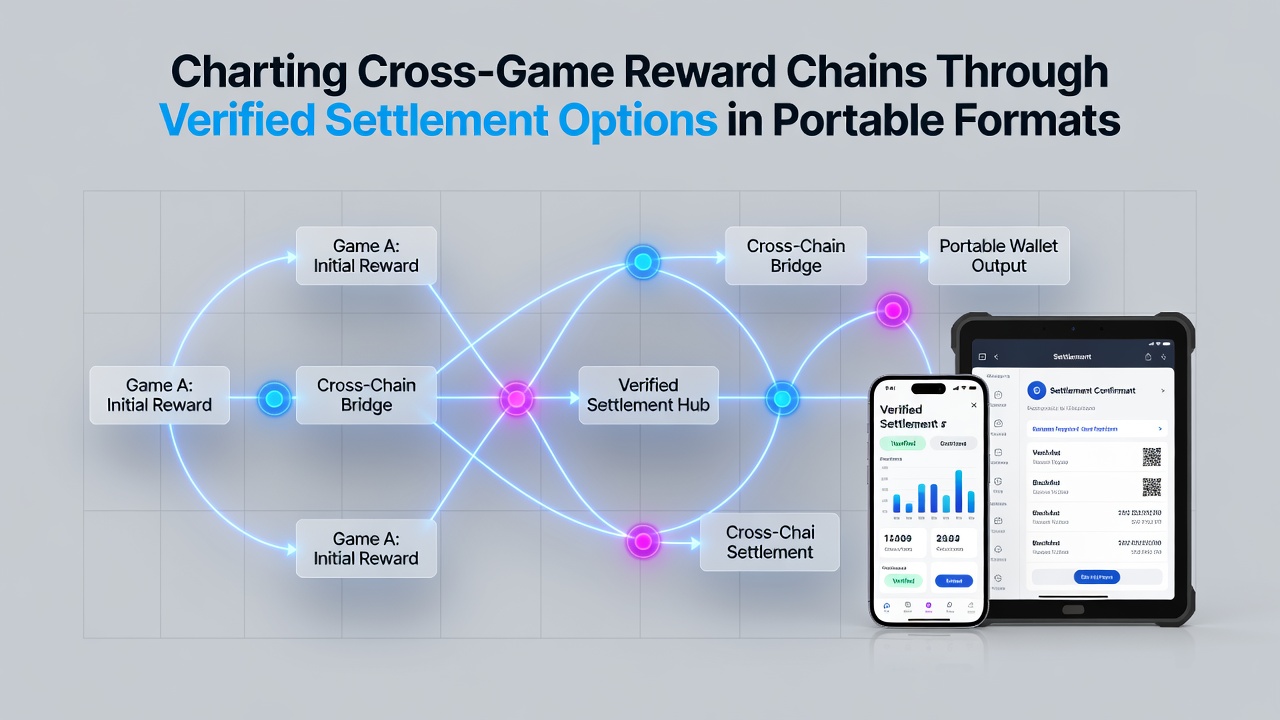
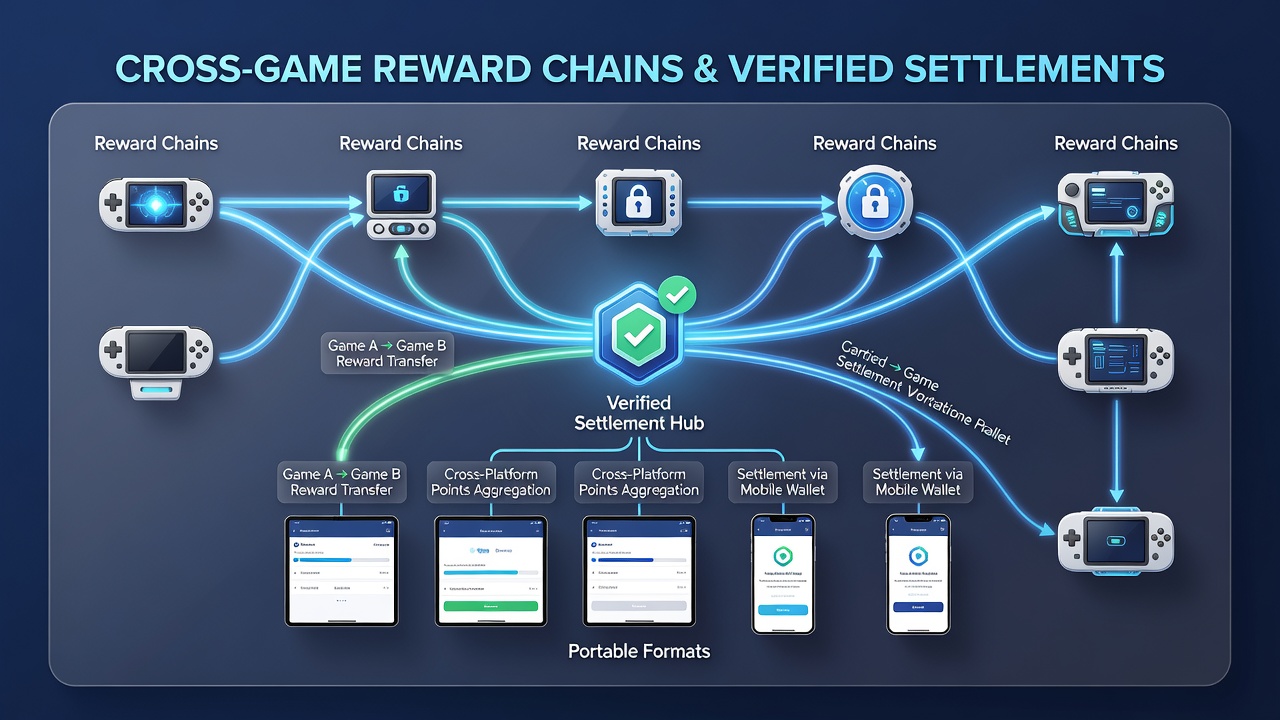
Cross-game reward chains function by linking outcomes from one title directly to eligibility triggers in another, and portable formats make this linkage possible by encoding rules in lightweight, transferable files that travel with the player account. Verified settlement options then confirm each step through cryptographic checks or digital signatures embedded in the same files, ensuring that bonus values remain accurate when shifting from a reel-based game to a card table environment. Observers note that this approach cuts down on reconciliation delays that once interrupted play sessions lasting several hours. In August 2026 several testing programs across North American and European operators began rolling out updated portable schemas that support real-time validation while maintaining compatibility with older mobile operating systems.
Verified Settlement Options and Their Role
Settlement verification occurs when a portable file containing reward data undergoes automated checks against operator ledgers and payment processor records. These checks cover deposit origins, withdrawal requests, and bonus conversion rates, all without exposing full account details during transit. Industry reports from the Nevada Gaming Control Board indicate that operators using these methods reported fewer discrepancies in multi-game sessions compared with legacy systems that stored rewards in siloed databases. Portable formats also allow players to export verified chains to secondary devices, supporting continued play on tablets or secondary phones while preserving the integrity of the reward sequence. The process typically combines timestamped entries with hash values that flag any unauthorized alterations before settlement completes.
Implementation Patterns Observed in 2026
Operators began integrating these portable reward systems more broadly after pilot programs demonstrated reduced processing times for chained bonuses. A study published by researchers at the University of Nevada, Reno examined data flows across three major platforms and found that portable formats handled an average of 47 percent more cross-game transitions per user session than non-portable alternatives. The same analysis highlighted how verified settlement layers prevented double-crediting of rewards when players moved between mobile apps and desktop clients. By August 2026, several providers had aligned their internal APIs with emerging portable standard drafts, enabling smoother handoffs between free-spin sequences earned on slots and subsequent live-dealer table limits. Those who've tracked these deployments report that the combination of compact file structures and embedded verification reduces both bandwidth usage and error rates during peak traffic periods.
Geographic Variations in Adoption
Different regions have approached portable reward standards at varying speeds. Australian regulatory frameworks, administered through the Australian Communications and Media Authority, have encouraged operators to test portable formats that comply with local financial reporting rules while still supporting international player bases. Canadian provincial bodies overseeing iGaming in Ontario and British Columbia have likewise examined how verified settlement files can streamline tax reporting for cross-game bonuses. These efforts differ from U.S. state-level approaches, where emphasis often falls on compatibility with existing tribal gaming compacts. Data aggregated by the European Gaming and Betting Association shows that portable formats now appear in roughly one-third of new mobile titles released in the first half of 2026, with verification layers added at the settlement stage rather than during initial bonus awarding.
Technical Considerations for Developers
Developers working with portable reward chains must balance file size against the amount of verification metadata included. Smaller files load faster on mobile networks yet still require sufficient cryptographic elements to satisfy settlement processors. Common practice involves nesting reward rules inside JSON or XML containers that carry both the chain history and the settlement verification tokens. When a player completes a qualifying spin sequence on one title, the system appends a new node to the portable file and triggers an immediate verification call before the reward becomes available in the next game. This method supports the kind of fluid transitions observed when slot winnings feed directly into increased table stakes without manual intervention. Observers tracking developer forums note that open-source libraries for handling these portable structures have seen increased contributions since early 2026, accelerating implementation timelines for smaller studios.
Conclusion
Portable formats combined with verified settlement options continue to reshape how reward chains operate across game categories in digital gaming. The approach provides measurable improvements in transfer speed and record accuracy, supported by adoption data from multiple regulatory regions and academic examinations. As platforms refine these systems through 2026 and beyond, the underlying standards are likely to influence how operators structure bonus programs that span mobile and desktop environments while maintaining compliance across jurisdictions.