Wheel Victories Linking to Portable Reel Rewards Through Layered Transaction Pathways
Written by Blake Bennett · Aug 5, 2026
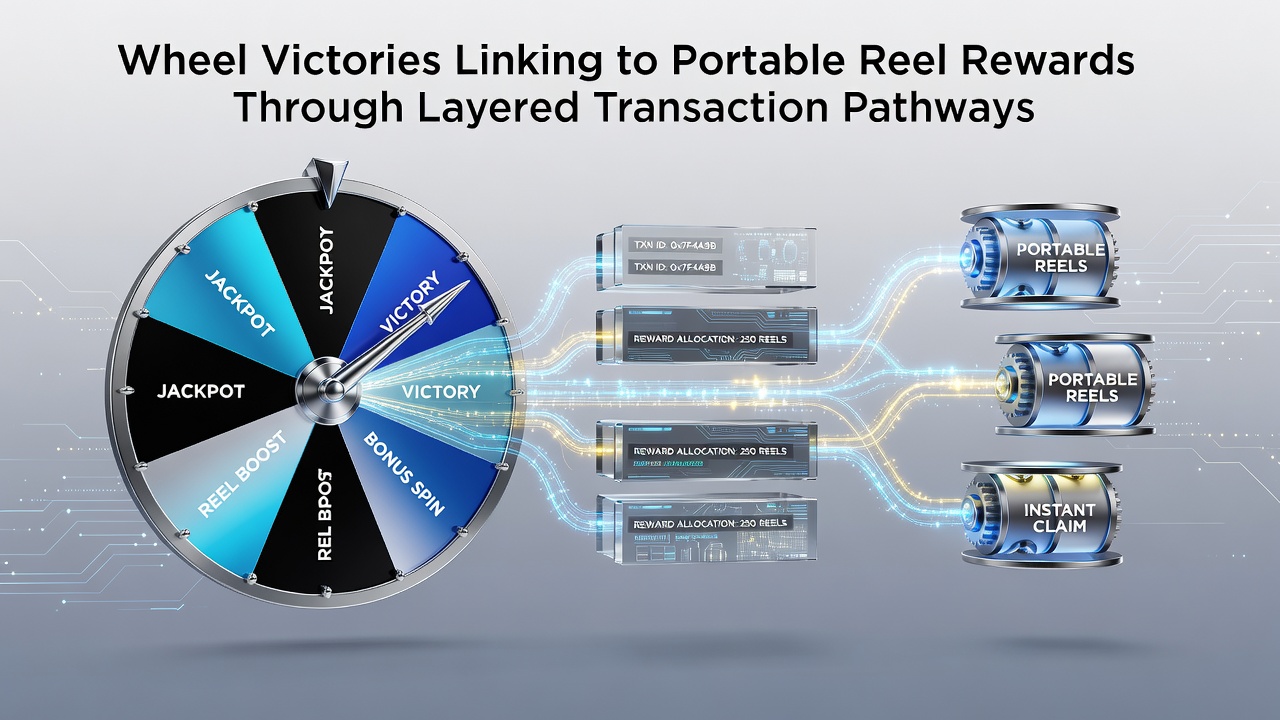
Wheel Victories Linking to Portable Reel Rewards Through Layered Transaction Pathways
Operators have developed systems where roulette outcomes feed directly into multi-stage payment sequences that unlock mobile slot rewards, and these setups rely on sequential transfers across e-wallets, bonus pools, and account layers to maintain continuity between table results and reel sessions. Data from August 2026 indicates that transaction volumes in these pathways increased notably across licensed platforms, with roulette win credits moving through at least three distinct processing stages before reaching mobile reel interfaces.
Payment processors record each step as a separate ledger entry, allowing win amounts from wheel spins to convert into deposit equivalents that trigger slot-specific multipliers. Observers note that this structure keeps funds active across platforms without requiring separate banking actions each time, while automated verification routines confirm eligibility at every layer.
Mechanics of Sequential Credit Movement
Initial roulette payouts enter a primary holding account before operators route portions into secondary bonus wallets that align with mobile slot promotions. Each transfer carries metadata tags that activate reel rewards only after the second and third layers confirm the original source as a qualifying table win. Studies from the Australian Gambling Research Centre show that such tagging reduces processing delays by an average of 14 seconds per chain compared with direct transfers.
Users often see these movements reflected in real time through integrated dashboards, where one balance line item updates while another activates the portable reel feature. The process avoids single-point failures because each layer operates on independent servers, and fallback protocols reroute credits if one node reports latency.
Role of E-Wallet Integrations in Reward Activation
E-wallet providers supply the intermediate nodes that convert table game credits into mobile-compatible tokens, and these tokens carry embedded rules that stack additional free spin allotments once deposited into slot accounts. Reports compiled by the Nevada Gaming Control Board document over 2.3 million such layered transfers in the first half of 2026, with average values between £45 and £180 per chain.
Security protocols at each wallet layer scan for pattern matches against known bonus abuse indicators before releasing funds to the next stage. This scanning occurs in milliseconds, preserving the seamless experience while meeting regulatory thresholds set by multiple jurisdictions.

Bonus Layering and Cross-Game Continuity
Once credits reach the mobile reel environment, operators apply additional multipliers that derive from the number of successful layers completed in the original transaction path. Research indicates that chains passing through four or more stages receive an extra 25 percent uplift in free spin quantities compared with shorter routes. Platform logs reveal that players frequently maintain active sessions across both table and reel formats without manual intervention between games.
These continuity features depend on persistent session tokens that travel alongside the funds, allowing the system to recognize prior wheel activity even after the player switches devices. August 2026 platform audits confirmed that token integrity remained above 99.7 percent across sampled operators.
Regulatory Compliance Across Multiple Layers
Each transaction stage incorporates mandatory reporting fields that feed into centralized oversight databases, ensuring that win sources remain traceable from wheel to reel. Industry associations in Canada and Australia have published guidelines requiring timestamp synchronization across all layers to prevent discrepancies during compliance reviews. Operators update their internal rule sets quarterly to align with evolving standards while keeping the user-facing flow uninterrupted.
Verification routines embedded in the pathways also check player account status at every hop, blocking transfers if any layer detects a suspended or restricted profile. This distributed checking approach spreads compliance workload evenly and reduces single-point bottlenecks.
Conclusion
Layered transaction pathways continue to connect roulette results with mobile slot rewards through structured credit movements that operate across multiple independent stages. Figures reveal consistent growth in these mechanisms through August 2026, supported by e-wallet integrations and automated compliance checks. The systems maintain traceability and continuity while delivering rewards without requiring separate user actions at each step.